 The payment rail for your crypto. One card. Every chain. No KYC. Spend with Apple Pay or Google Pay in 180+ countries.
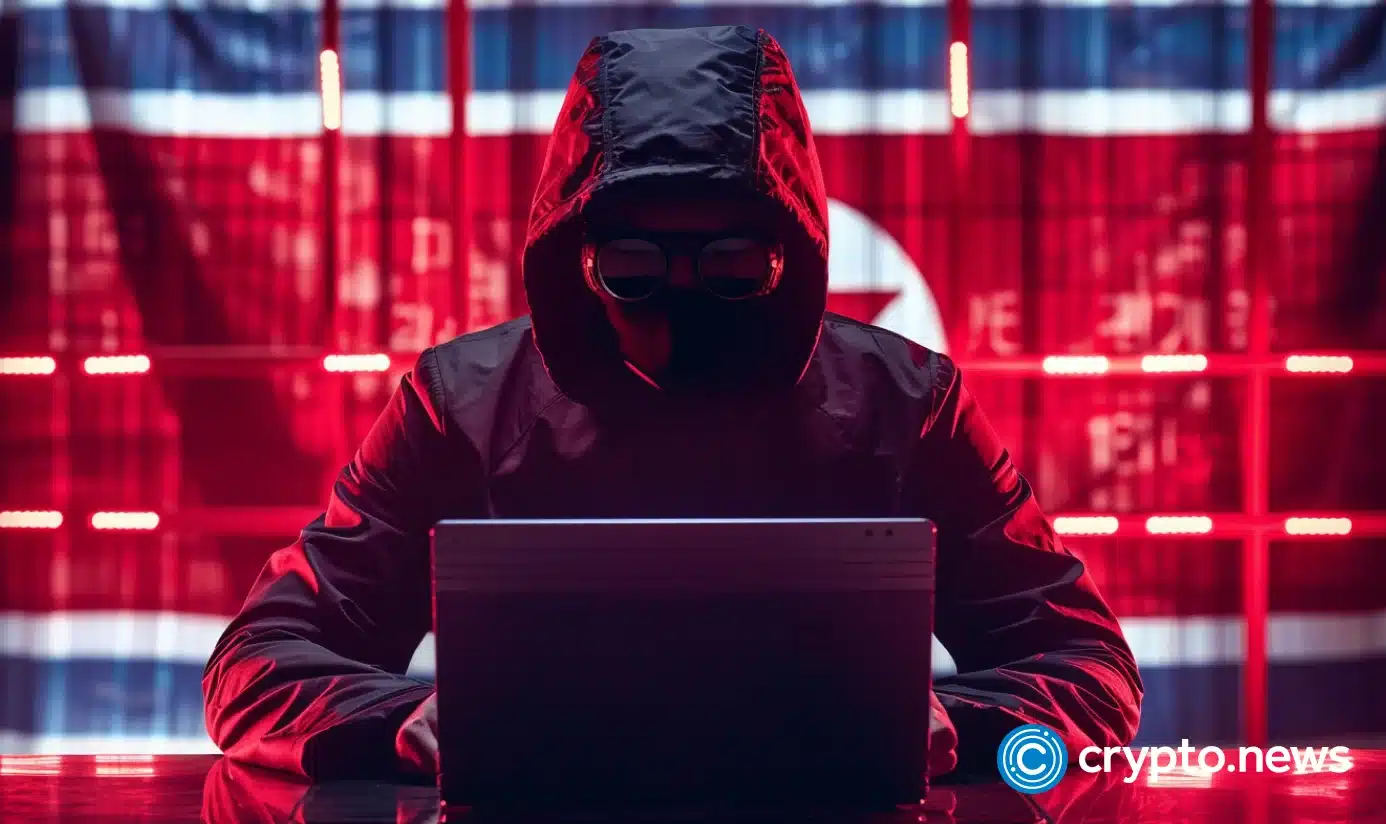
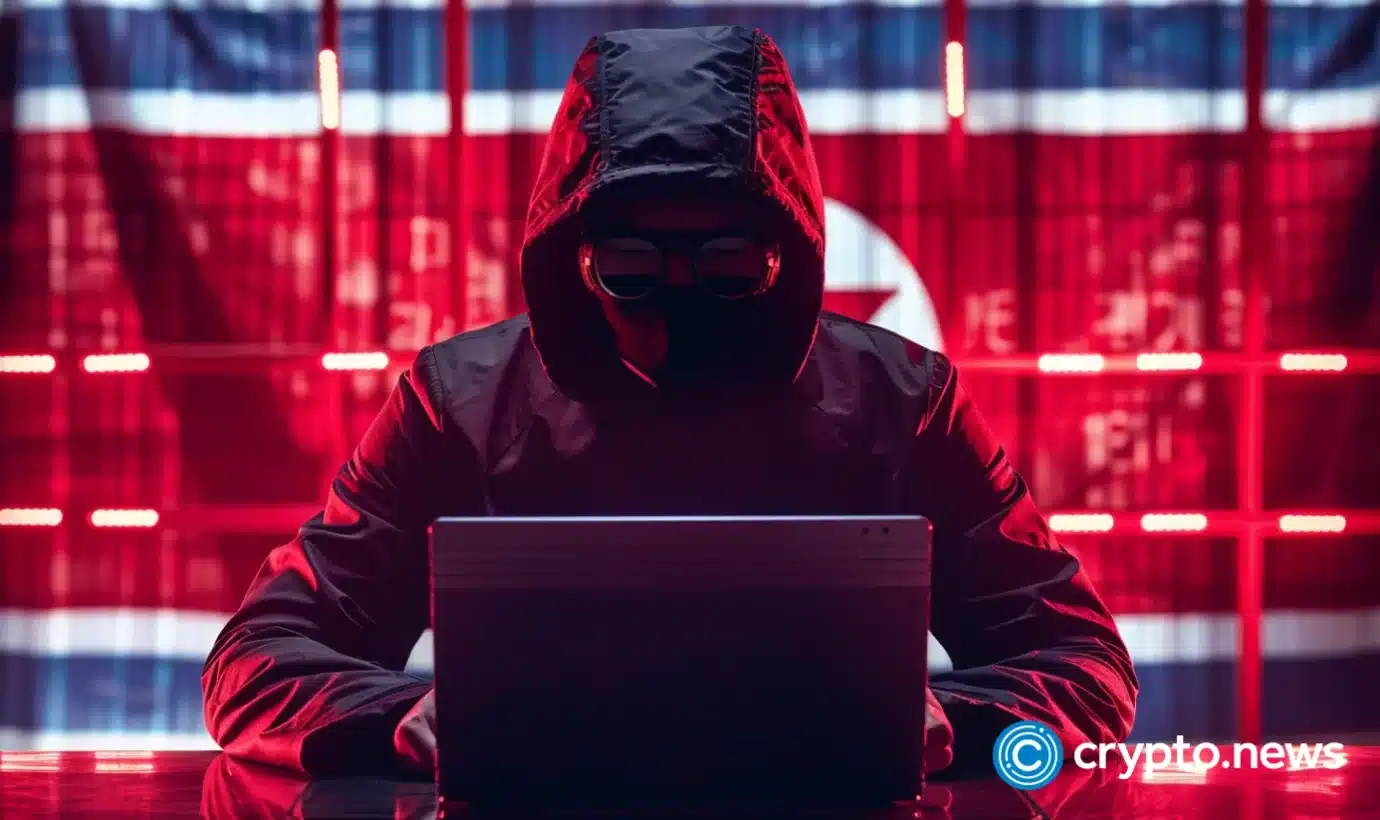
Coinbase said Nov. 24 that it co-sponsored a two-day symposium in Dublin where law enforcement and cybersecurity specialists discussed North Korean crypto theft and the use of false identities to secure technology jobs.
Summary- Coinbase and the U.S. State Department co-sponsored a two-day symposium in Dublin with representatives from the FBI, FinCEN and Irish cybercrime police.
- The sessions examined two hiring scams: fake job offers targeting crypto employees and North Korean IT workers using false identities to secure remote jobs.
- TRM Labs estimated that North Korean actors stole $7.4 billion in crypto through Oct. 29, accounting for 85% of tracked hack losses. Their share was 45% when the Binance breach was excluded.
- The U.S. Justice Department moved to forfeit more than $1.1 billion tied to the Binance hack after Circle had already restricted access to the USDC.
The exchange organized the event with the U.S. State Department’s Office of Cooperative Threat Reduction. Global Affairs Canada, Google and Payward supported the program, which included representatives from the FBI, the U.S. Treasury’s Financial Crimes Enforcement Network and Ireland’s Garda National Cyber Crime Bureau.
Coinbase said its investigators briefed attendees on how attacks are changing. Sessions covered how companies can spot suspicious activity, what evidence investigators need, and how security teams and authorities can coordinate when stolen funds are still moving. U.S. and Irish law enforcement also discussed when companies should report suspicious activity.
Dublin sessions focus on two types of job fraud
A job offer can give an attacker a reason to contact someone who works at a crypto company. Coinbase cited requests to download interview software as one example of how a seemingly routine conversation can turn into a security incident.
The person receiving the offer may have access to company systems, making an employee’s job search a security concern for their current employer.
The October Binance breach gave investigators a recent example. Chainalysis reported that Binance traced the breach to a fabricated job opportunity and a series of fake interviews targeting one of its employees.
You might also like: Coinbase CEO Brian Armstrong says third-party vendors pose major security risksElliptic estimated the theft at $6.43 billion and said the FBI attributed it to North Korea’s TraderTraitor group. Coinbase described the Dublin agenda in terms of broader threats facing the industry.
The second hiring scheme runs in the other direction. North Korean IT workers use false identities to apply for remote jobs and collect wages. Hiring an applicant under a false identity can also expose a company’s systems or data to someone whose background it has been unable to establish. The Dublin discussions covered how companies could detect fraudulent applicants and when to bring in authorities.
The two schemes put different teams in a position to spot trouble. In a fake recruitment campaign, an employee or the security team may be the first to see a suspicious approach. When an applicant uses a false identity, the first signs may surface during hiring. Coinbase said investigators at the event discussed what information companies should pass on when they report suspicious activity.
Binance accounts for most of North Korea’s 2026 crypto theft
TRM Labs estimated that North Korean actors stole about $7.4 billion in crypto through Oct. 29, accounting for 85% of the value stolen in crypto hacks in its dataset for 2026. Excluding Binance, North Korea still accounted for 45% of the remaining losses.
The firm counted about $12.8 billion across 100 incidents since 2017, putting more than half of the value it has tracked in the first ten months of 2026. That figure measures the value taken at the time of the hacks. It gives a sense of the scale of the losses investigators had to trace, while subsequent freezes and recoveries are counted separately.
The Binance case also shows what companies and authorities can do after a theft. Coinbase said it works with blockchain analytics firms to track stolen assets and with law enforcement to help flag, freeze, or report funds. A blockchain record can show where funds went. Restricting access can depend on whether an exchange or token issuer has the ability to intervene.
As crypto.news reported, Circle blocked access to USDC tied to the Binance theft before U.S. prosecutors sought a court order. That restriction kept the tokens from moving while authorities pursued a separate civil forfeiture action. The complaint covered USDC linked to 36 addresses across 18 blockchains, illustrating how a single recovery effort can span several networks even when it concerns one stablecoin.
The Justice Department announced on Nov. 23 that it had taken action to forfeit more than $1.1 billion in crypto linked to the breach. The action concerns assets that had already been restrained. Prosecutors brought the civil case against the assets themselves, seeking a court decision on forfeiture after access to the funds had been restricted.
Binance said it was working with U.S. authorities and crypto industry partners on the recovery. As of Nov. 23, the Justice Department said the United States had helped freeze, seize, or return more than $2.9 billion in crypto from multiple sources since the October theft.
Read more: 21Shares flags $53,250 as Bitcoin’s next downside levelUS crypto regulation hub
Crypto mining in the US: federal rules and the state map
Crypto kiosk rules by state: bans, licenses and the fraud data
Crypto ETF rules in the US: how a fund gets listed now
Crypto banking access in the US: master accounts, the chokepoint, and what changed
CFTC and crypto in 2026: what the agency now governs
Is crypto legal in the US? Yes, and here is the structure
Crypto executive orders: what the White House has actually ordered
SEC crypto enforcement in 2026: from registration war to fraud beat
IRS crypto tax rules in 2026: what actually gets taxed
The OCC and crypto: national trust charters, explained
View allDeep Dives
 Interviews
Read more - Can Bitcoin compete with physical gold? Galantas Gold CEO weighs in
Can Bitcoin compete with physical gold? Galantas Gold CEO weighs in
 BTC
Bitcoin
7 hours ago
 Feature
Read more - What did Nvidia’s short-lived rally reveal about Bitcoin demand?
What did Nvidia’s short-lived rally reveal about Bitcoin demand?
10 hours ago Feature
Read more - Where can Bitcoin count toward a US exchange’s operating reserves?
Where can Bitcoin count toward a US exchange’s operating reserves?
BTC
Bitcoin
10 hours ago
 Feature
Read more - Why is Strategy buying back preferred stock as it adds Bitcoin?
Why is Strategy buying back preferred stock as it adds Bitcoin?
BTC
Bitcoin
11 hours ago
 Feature
Read more - How Sky’s $159 million lending pool ran out of cash for withdrawals
How Sky’s $159 million lending pool ran out of cash for withdrawals
 SKY
Sky
11 hours ago
 Feature
Read more - PAXG puts gold in a wallet. Getting the bullion out is another matter
PAXG puts gold in a wallet. Getting the bullion out is another matter
1 day ago Feature
Read more - Ethereum’s upgrade debate puts old smart contracts in the spotlight
Ethereum’s upgrade debate puts old smart contracts in the spotlight
 ETH
Ethereum
1 day ago
 Feature
Read more - Borrowing against XRP keeps the coins. Can it save the investment?
Borrowing against XRP keeps the coins. Can it save the investment?
 XRP
XRP
1 day ago
 Feature
Read more - Nvidia’s selloff is spreading. How exposed is the crypto market?
Nvidia’s selloff is spreading. How exposed is the crypto market?
1 day ago Feature
Read more - Peter Schiff says Solana can replace Bitcoin exposure. Can it?
Peter Schiff says Solana can replace Bitcoin exposure. Can it?
 SOL
Solana
3 days ago
 News
Read more - Cross River launches Bitcoin loans of up to $250K
Cross River launches Bitcoin loans of up to $250K
1 day ago News
Read more - Coinbase CEO Brian Armstrong says third-party vendors pose major security risks
Coinbase CEO Brian Armstrong says third-party vendors pose major security risks
2 days ago News
Read more - Deribit resumes trading after Nov. 20 outage