
 Written by Ezra Reguerrastaff writerEdited by Yohan Yunstaff editorWritten by Ezra Reguerrastaff writerEdited by Yohan Yunstaff editor
IOSCO warns quantum upgrades could slow blockchains, leave security gaps
Latest NewsPublishedNov 19, 2026A Solana test network ran about 90% slower with quantum-resistant signatures, and wallets that keep using older keys could remain vulnerable.
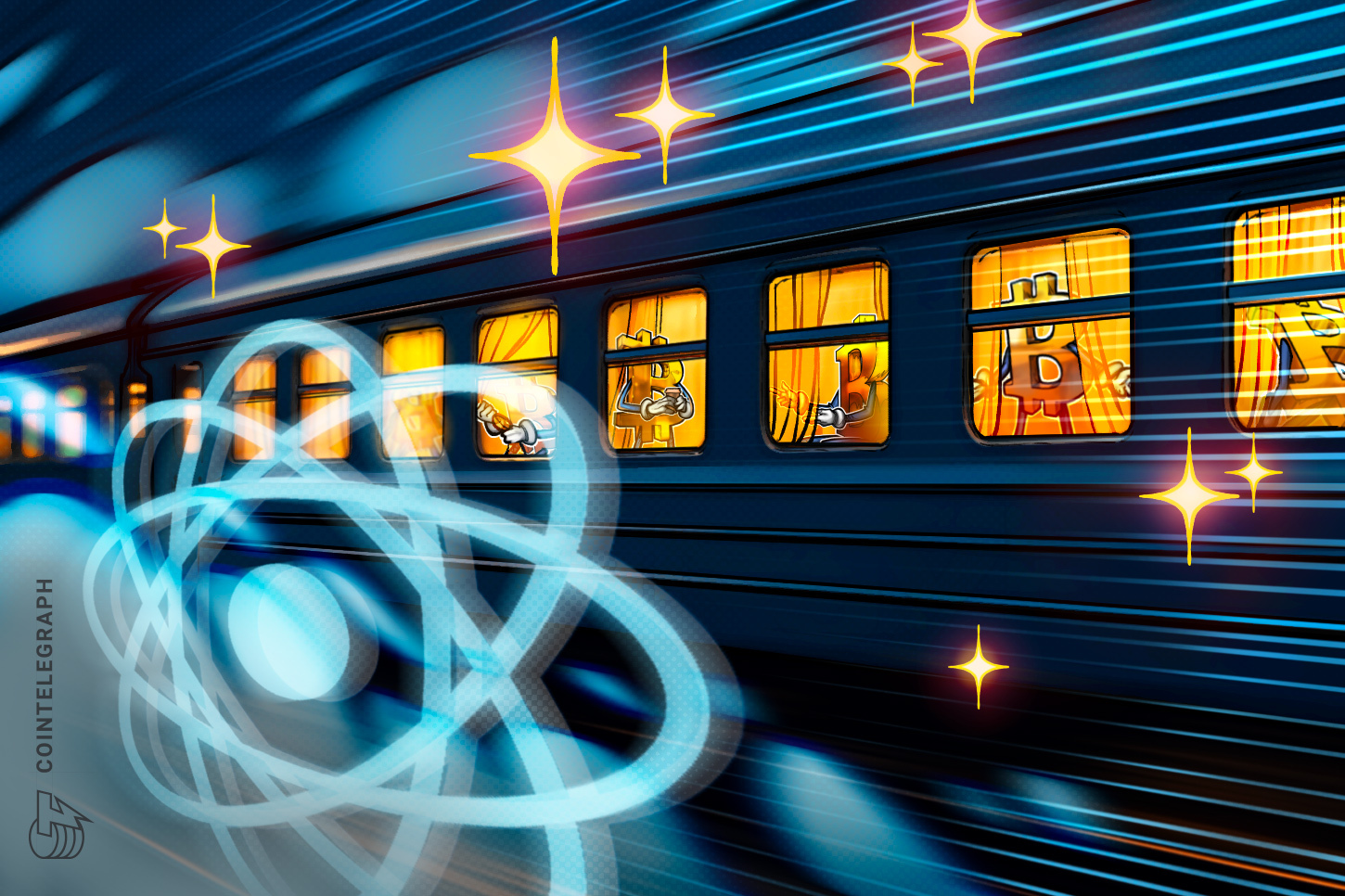
The International Organization of Securities Commissions (IOSCO) warned that upgrading blockchains to withstand quantum attacks could slow transactions and raise fees.
In a report released Thursday, IOSCO said some quantum-resistant digital signatures take up far more space than those used to authorize transactions today. Larger signatures mean fewer transactions can fit in each block, which could increase congestion, push up fees and require more storage.
IOSCO cited an experiment in which a test version of Solana ran about 90% slower with quantum-resistant signatures.
No known quantum computer can break the cryptography that secures these networks today. IOSCO urged firms to start preparing now because the transition could take years.
IOSCO said layer-1 networks use cryptography both to authorize transactions and to reach agreement on which blocks to add. Even after an upgrade, funds in dormant wallets and applications could remain vulnerable if they still rely on older keys.
Layer-2 networks can use quantum-resistant proofs to verify transactions and still depend on vulnerable systems to settle those transactions, move assets between chains or approve upgrades.
In April, Bitcoin advocate Samson Mow warned that larger post-quantum signatures could reduce Bitcoin’s throughput and that rushed fixes might introduce new vulnerabilities.
In October, Starknet’s community backed research into becoming an independent, quantum-resistant layer-1 network, following concerns over its reliance on Ethereum’s security upgrade timeline.
Ethereum researcher Justin Drake has since outlined a 2028 post-quantum transition target, ahead of the network’s existing 2029 roadmap.
Related: AI poses greater threat to Bitcoin than quantum computing, Swan founder says


Get the day’s top crypto stories in a quick, daily read.
Subscribe Cointelegraph is committed to independent, transparent journalism. This news article is produced in accordance with Cointelegraph’s Editorial Policy and aims to provide accurate and timely information. Readers are encouraged to verify information independently.More on the subject
Nvidia board rejects Huang comeback despite record $116B quarter
Nov 18, 2026Felix NgARK sells $85M in Nvidia shares ahead of chipmaker’s Q3 earnings results
Nov 17, 2026Zoltan VardaiNvidia shares fall 4% as board reportedly rules out Huang return
Nov 16, 2026Felix NgNvidia board rejects Huang comeback despite record $116B quarter
Nov 18, 2026Felix Ng
ARK sells $85M in Nvidia shares ahead of chipmaker’s Q3 earnings results
Nov 17, 2026Zoltan Vardai